A furniture workshop owner in Jaipur told me he “does marketing” because he posts on Instagram when he remembers. Some months he gets five enquiries. Some months, none. He can’t say why.
That’s the difference between random marketing and having a plan. A solid marketing plan for small business owners can actually follow doesn’t need a fancy agency or a 40-page document. It needs clear goals, a defined customer and a calendar you stick to. Here’s a seven-step version you can finish in a weekend.
What Is a Marketing Plan for Small Business?
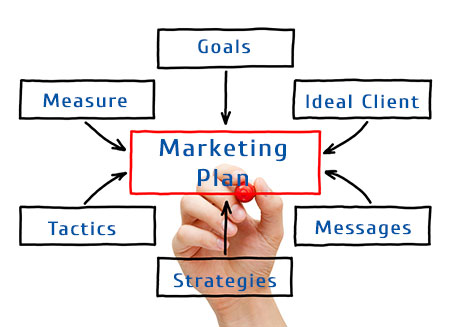
A marketing plan for small business is a short written document that defines who you sell to, what makes you different, which channels you’ll use, how much you’ll spend and how you’ll measure results. It turns scattered activity into a repeatable system with deadlines and numbers.
It’s not the same as a business plan. A business plan covers the whole company. A marketing plan covers only how you’ll attract and keep customers, and it usually looks 3 to 12 months ahead. [link to business plan guide here]
Honestly, I’d rather see a one-page plan that gets used than a beautiful document that sits in a drawer.
Step 1: Set Clear, Measurable Goals
“Get more customers” isn’t a goal. “Get 20 new enquiries a month by March” is.
Pick two or three goals tied to money: leads, sales, repeat orders or average order value. Make each one specific, measurable and time-bound.
Start from your revenue target and work backwards. If you want ₹3 lakh a month and your average order is ₹15,000, you need 20 orders. If one in five enquiries buys, you need 100 enquiries. Now you know what marketing must deliver.
Step 2: Know Your Customer
You can’t speak to everyone. Choose one core customer group and describe them.
Write a short profile: age range, location, income, what they care about, where they spend time online and what worries them before buying. A Jaipur workshop might target “young couples furnishing their first flat” instead of “everyone who needs furniture.”
The best research is free. Ask your last ten customers why they chose you, how they found you and what almost stopped them. Their answers beat any guess.
Step 3: Study Your Competitors
List three to five competitors, local and online. Note their prices, offers, strengths, weaknesses and how they promote themselves.
Check their Google reviews. Complaints show gaps you can fill. If every competitor is slow to deliver, “delivery in 7 days” becomes your hook.
Don’t copy them. Find what they’re not doing well.
Step 4: Define Your Unique Selling Point
Your unique selling point (USP) is the specific reason a customer should choose you over alternatives. It should be true, clear and valued by buyers. Good examples are faster delivery, custom designs, lower price on a specific range or exceptional service, not vague claims like “best quality.”
Write it in one sentence: “We build custom solid-wood furniture for small flats, delivered in two weeks.” If you can’t finish that sentence, your marketing will feel confused.
Step 5: Choose Your Channels
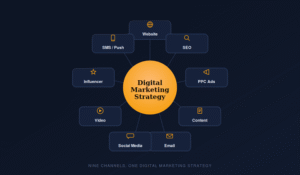
You can’t be everywhere. Pick two or three channels where your customers actually are.
- Google Business Profile. Free, and essential for local searches. Add photos, hours and reply to reviews.
- WhatsApp Business. Catalogue, quick replies and broadcast lists. Very effective in India.
- Instagram or YouTube. Great for products people like to see.
- Referrals. Cheap and often your best source of leads.
- Local ads and events. Useful for shops and service businesses with a nearby market.
- Email or SMS. For repeat customers and offers, within consent and legal rules.
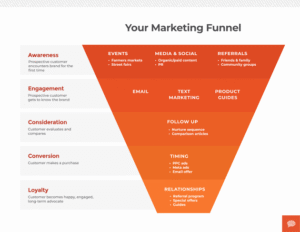
Match channel to customer. A B2B supplier might do better with LinkedIn and calls than Instagram reels. [link to marketing funnel stages guide here]
Step 6: Set a Budget That Fits
Many sources suggest small businesses spend roughly 5 to 10 per cent of revenue on marketing, though it varies widely by industry and stage, so treat it as a starting point, not a rule.
If money’s tight, start with free or low-cost channels: Google Business Profile, WhatsApp, referrals and organic content. Put paid ads only where you’ve seen results.
Split your budget: most on channels already working, a small slice for experiments. Track cost per lead. If ₹10,000 of ads brings 10 enquiries, each costs ₹1,000. Is that okay for a ₹15,000 sale? Do the maths before you scale.
Step 7: Build a 90-Day Calendar and Track Results
Plans fail when they’re vague about timing.
Break the quarter into months and weeks. Assign tasks: “Week 1: update Google profile and photos,” “Week 2: collect five customer reviews,” “Week 3: launch festive offer on WhatsApp.” Note who does what and by when.
Then measure. Every month, check:
- Number of leads and sales by channel
- Cost per lead and cost per customer
- Conversion rate from enquiry to sale
- Repeat customers and referrals
Keep what works. Cut what doesn’t. Revisit the plan every quarter.
A Simple One-Page Template
Copy this and fill it in:
- Goal: (e.g., 20 sales a month by March)
- Target customer: ______
- USP: ______
- Top 3 competitors and their weakness: ______
- Channels: ______
- Monthly budget: ₹______
- Key activities this month: ______
- Metrics to track: ______
If you can fill it in 30 minutes, your plan is probably simple enough to use.
Mistakes to Avoid
Trying every channel at once. Copying big brands’ style without their budget. Having no way to track where leads came from. Ignoring existing customers, who are cheaper to sell to. And stopping after a month because results aren’t instant.
Another one: skipping the basics. Before running ads, make sure customers can find your phone number and see reviews. [link to Udyam registration guide here]
FAQs
What should a marketing plan for small business include?
Goals, target customer, competitor review, USP, channels, budget, calendar and metrics.
How long should a small business marketing plan be?
One to three pages is enough. Shorter plans get followed.
How much should a small business spend on marketing?
Often 5 to 10 per cent of revenue, but it depends on your industry. Start small and increase what works.
What’s the cheapest way to market a small business?
Google Business Profile, WhatsApp, referrals and consistent content cost little or nothing.
How often should I update my plan?
Review monthly, rewrite quarterly and revisit your goals yearly.
Do I need a marketing agency?
Not at first. Do the basics yourself, then hire help once you know what works.
Conclusion
A good marketing plan for small business comes down to seven steps: set goals, know your customer, study competitors, define your USP, choose channels, set a budget and build a calendar with metrics. Keep it short and review it often.
Block two hours this weekend, fill in the one-page template above and schedule your first three marketing tasks for next week. Then, in 30 days, look at the numbers. That’s when a plan stops being a document and becomes a habit.
Internal linking suggestions:
- [link to business plan guide here], in the intro section
- [link to marketing funnel stages guide here], in the channels section
- [link to Udyam registration guide here], in the mistakes section
Image alt text suggestions:
- “Small business owner in Jaipur planning a marketing plan for small business on a notebook”
- “One-page marketing plan template with goals, channels and budget”
- “Monthly calendar showing marketing tasks for a small business”