A Jaipur jewellery seller I know has an Instagram page, a Facebook page, a YouTube channel, a website and a WhatsApp group. She posts on all of them, answers all of them and sells mostly through one. She’s tired, and she can’t say which one is paying her bills.
That’s what happens without a digital marketing strategy. Doing everything feels productive, but it spreads you thin. Here’s how beginners can build a simple, focused plan in 2026, what’s changed this year and how to avoid burning money on tools you don’t need.
What Is a Digital Marketing Strategy?
A digital marketing strategy is a plan for how your business will attract, convert and keep customers online. It covers who you target, which channels you use (search, social, email, WhatsApp, ads), what content you create, your budget and how you measure results. It connects activities to business goals instead of chasing trends.
It’s not a list of tools. It’s a set of decisions: who, where, what and how much. Get those right, and the tools almost choose themselves. [link to marketing plan for small business guide here]
What’s Different in 2026
Three shifts matter for beginners.
AI search. People now ask chatbots and AI search tools full questions and get direct answers. That means clear, helpful content with real details gets noticed more than keyword-stuffed pages.
Privacy and consent. India’s DPDP regime is changing how data gets used. One industry report says behavioural profiling now requires explicit opt-in, which hits platform retargeting in particular. Building your own email and WhatsApp lists, with permission, is safer. exchange4media
Small businesses are spending more online. One report says MSME digital ad spend rose 21% year on year, so competition for attention is growing. Check the original source before quoting it. exchange4media
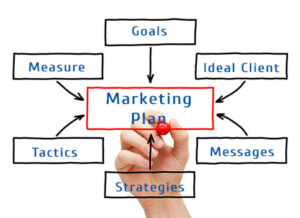
Step 1: Set Goals and Know Your Audience
Start with a number. “Get 30 enquiries a month” beats “grow online.”
Then describe your ideal customer: age, location, what they search for, what worries them. The Jaipur jewellery seller might target “brides-to-be in Rajasthan who want affordable silver sets,” not “women who like jewellery.”
Ask five past customers where they found you and why they bought. Their answers are better than any guess.
Step 2: Get Your Basics Right
Before ads or reels, fix the foundations:
- A simple website or landing page with your offer, photos, prices or ranges and contact details
- A complete Google Business Profile with photos, hours and reviews
- A WhatsApp Business account with a product catalogue
- Clear contact options and fast replies
Skipping this step is like opening a shop with the shutter half down. Many beginners spend on ads and send people to an incomplete page. [link to Udyam registration guide here]
Step 3: Pick Two or Three Channels
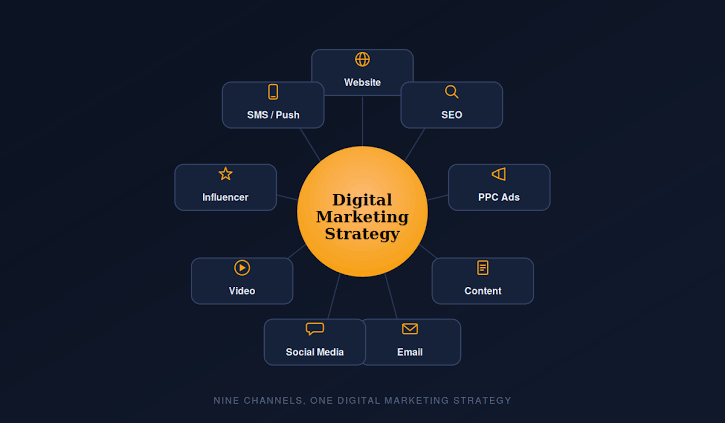
Beginners should choose two or three digital channels where their customers already spend time and master them before adding more. For most Indian small businesses, a good starting mix is Google search and maps, WhatsApp, and one social platform such as Instagram or YouTube.
Here’s how the main options compare:
- SEO (search). Slow, but people who search are ready to buy. Great for services and local businesses.
- Social media. Good for visual products and building trust. Needs consistency.
- WhatsApp and email. Best for repeat sales and nurturing leads, with consent.
- Paid ads. Fast results, but you stop getting them when you stop paying.
- Influencers and partnerships. Useful if you pick small, relevant creators over big names.
I’d say start with Google Business Profile and WhatsApp for any local business. They’re cheap and work quickly. [link to marketing funnel stages guide here]
Step 4: Plan Your Content
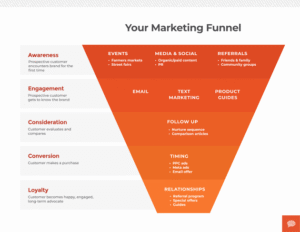
Content isn’t random posts. Match it to what customers need at each stage.
Awareness: short reels, how-to tips and local stories. Consideration: reviews, comparisons and FAQs. Conversion: offers, demos and easy ordering. Retention: thank-you messages, reminders and loyalty perks.
Post less, but make it useful. Three good posts a week beat daily filler. And answer real questions. If people keep asking, “Is silver tarnish-proof?” write that post.
Step 5: Set a Budget
Many sources suggest spending around 5 to 10 per cent of revenue on marketing, but it varies widely, so treat that as a rough guide.
Start with free channels. Add paid ads in small amounts, such as ₹300 to ₹500 a day, and test one offer at a time. Track cost per enquiry and cost per sale. If you pay ₹800 per enquiry and your profit per sale is ₹600, the maths doesn’t work.
Step 6: Measure and Improve
Check numbers monthly. Keep it simple:
- Website visits and where they came from
- Enquiries or leads by channel
- Conversion rate (enquiry to sale)
- Cost per lead and cost per customer
- Repeat customers
Free tools like Google Analytics and each platform’s built-in insights are enough at the start. Double down on what brings paying customers, and drop what doesn’t.
A Simple 90-Day Roadmap
Month 1: Fix your website, Google profile and WhatsApp catalogue. Collect ten reviews.
Month 2: Launch your content routine on one social platform. Start a permission-based customer list.
Month 3: Test a small paid campaign on your best-performing offer. Review results and adjust.
Mistakes Beginners Make
Doing everything at once. Buying followers. Ignoring reviews. Sending unwanted messages to customers’ numbers without consent. Stopping too early, when results typically take weeks.
Another one is chasing trends. Reels, AI tools and new platforms come and go. Your customer and your offer matter more. [link to sales pitch examples guide here]
FAQs
What is a digital marketing strategy?
A plan for how you’ll reach, convert and retain customers online, with defined goals, channels, content and budget.
How do I start digital marketing as a beginner?
Set a goal, fix your Google profile and WhatsApp catalogue, choose two channels and track results monthly.
Which digital marketing channel is best for small businesses in India?
Google Business Profile and WhatsApp often work best at first, with one social platform added later.
How much does it cost to start?
You can start with almost nothing using free channels. Add ad spend gradually once you see what works.
How long before I see results?
Paid ads can bring leads within days. SEO and content usually take two to six months.
Do I need an agency?
Not at the start. Learn the basics, then hire help for tasks you can’t handle.
Conclusion
A solid digital marketing strategy starts with clear goals, a defined audience, strong basics and two or three well-chosen channels. Add useful content, a sensible budget and monthly measurement, and keep your customers’ consent in mind.
This week, do three things: complete your Google Business Profile, set up a WhatsApp catalogue and write down one measurable goal for the next 90 days. Then check your numbers in a month. That’s how a beginner’s plan turns into steady results.
Internal linking suggestions:
- [link to marketing plan for small business guide here], in the intro section
- [link to marketing funnel stages guide here], in the channels section
- [link to Udyam registration guide here], in the basics section
Image alt text suggestions:
- “Small business owner in Jaipur planning a digital marketing strategy on a laptop”
- “Six-step digital marketing strategy checklist for beginners”
- “WhatsApp Business catalogue and Google Business Profile on a phone screen”