A garment shop owner in Jaipur told me she was “doing great.” Every day was busy, the cash drawer was full. Then her CA asked one question: “What was your profit last quarter?” She had no idea. Receipts sat in a carry bag, supplier bills in a drawer, and online payments in three different apps.
That’s what happens without bookkeeping for small business habits. The good news is you don’t need an accountant’s brain or fancy software. You need a simple system and ten minutes a day. Here’s how to set one up in 2026.
What Is Bookkeeping for Small Business?
Bookkeeping for small business means recording every rupee that comes in and goes out, sorting it into categories and keeping proof like bills and bank statements. It’s the daily record-keeping that makes accounting, GST filing and tax returns possible. Think of it as your business’s diary, written in numbers.
Bookkeeping and accounting aren’t the same. Bookkeeping records what happened. Accounting interprets it: profit and loss, tax planning, advice. A CA does the second. You, or a helper, do the first.
Why It Matters More Than You Think
Honestly, I think most small business failures aren’t about bad products. They’re about not knowing the numbers until it’s too late.
Good books tell you whether you’re really making profit, which products earn money and when cash will run tight. They make loans easier, since banks ask for statements and returns. They keep you ready for GST and income tax. And they save a lot of stress when someone asks, “Where did the money go?”
If you’re thinking about funding, clean records are non-negotiable. [link to startup funding stages guide here]
Cash vs Accrual: Pick the Right Method
Small shops usually use the cash method, recording income and expenses when money actually moves. The accrual method records them when the sale or bill happens, even if payment comes later. Cash is simpler for beginners, while accrual gives a truer picture when you sell on credit or buy on credit.
If you run a tiny retail shop with mostly instant payments, cash-based records work. If you give customers 30 days to pay or buy stock on credit, track those dues separately. Many businesses mix both, and a CA can tell you what suits your turnover and legal requirements.
The Records Every Small Business Should Keep
Start with five basics:
- Sales record. Every invoice or bill, with date, customer and amount.
- Purchase and expense record. Stock, rent, electricity, salaries, transport. Keep the bill for each.
- Bank and cash book. Daily cash movements plus bank transactions, including UPI.
- Receivables and payables. Who owes you, and whom you owe.
- Stock register, if you sell goods. [link to inventory management for small business guide here]
Keep GST invoices if you’re registered, and hold on to documents for the period your CA advises. Tax rules specify how long, so confirm that rather than guessing.
How to Set Up Your Books in a Week
You don’t need to do everything at once.
Day 1: Open a separate current account for the business. Stop using personal accounts for business payments.
Day 2: Create categories: sales, purchases, rent, salaries, marketing, utilities, transport.
Day 3: Choose your tool: notebook, Excel or accounting software.
Day 4: Enter the last month’s transactions to see how it feels.
Day 5: Start filing bills, physical in a folder or photos in a Google Drive folder labelled by month.
Day 6-7: Review. Where did most money go?
Mixing personal and business money is the number one mistake I see. One separate account fixes most of it.
Tools: Notebook, Excel or Software?
Under 50 transactions a month? A notebook or Excel sheet works fine.
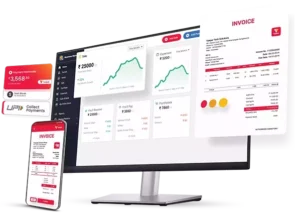
Past that, software saves time. Tally is widely used by Indian accountants. Zoho Books, Vyapar and similar apps handle invoicing, GST reports and reminders for unpaid bills. Many have free or low-cost plans, but pricing changes often, so check current rates.
Try one for a month before committing. The best tool is the one you’ll actually use.
A Simple Weekly Routine
Daily: record sales, expenses and cash in hand before closing. Ten minutes.
Weekly: match your records against the bank statement and chase unpaid invoices.
Monthly: calculate income minus expenses to see your real profit, review GST data and share records with your CA.
Picture that Jaipur shop owner doing this. After a month, she’d see which clothes earn money, which ones just sit on the rack, and whether the festive rush actually helped her profit. Numbers make decisions easier.
GST, Tax and Compliance Basics
If you’re registered for GST, keep invoices, input credit records and filing receipts organised. Missed or mismatched entries cause notices and lost credits.
Income tax rules on books and audits depend on turnover and the scheme you choose, such as presumptive taxation. Thresholds change, so check with a CA. Udyam registration also helps with loans later. [link to Udyam registration guide here]
Common Beginner Mistakes
Mixing personal and business funds. Skipping small cash expenses. Losing bills. Entering records once a month, then forgetting half of them. Ignoring unpaid customer dues.
Another: trusting memory. If it isn’t written, it didn’t happen, at least as far as the taxman is concerned.
FAQs
What is bookkeeping for small business?
Recording and organising all business income and expenses so you know your finances and stay compliant.
Can I do my own bookkeeping?
Yes, if your business is small and simple. Use a CA for annual filings and complex issues.
How much time does it take?
About 10 to 15 minutes daily and an hour weekly for most small shops.
Do I need accounting software?
Not at first. Excel works for tiny setups, but software helps once transactions and GST rise.
What documents should I keep?
Sales invoices, purchase bills, bank statements, GST returns, salary records and receipts for expenses.
How is bookkeeping different from accounting?
Bookkeeping records transactions. Accounting analyses them and prepares financial statements and tax filings.
Conclusion
Bookkeeping for small business doesn’t need to be complicated. Keep a separate bank account, record every transaction, save every bill, and review your numbers weekly. Those habits protect you from tax surprises and show whether you’re actually earning money.
Start tonight. Open a spreadsheet with columns for date, description, category, money in and money out, then enter today’s transactions. Next week, add last week’s. In a month, you’ll know your real profit, and that’s worth more than any advice. [link to business plan guide here]
Internal linking suggestions:
- [link to startup funding stages guide here], in the “why it matters” section
- [link to inventory management for small business guide here], in the records section
- [link to Udyam registration guide here], in the GST and tax section
Image alt text suggestions:
- “Small shop owner in Jaipur updating bookkeeping for small business on a laptop”
- “Simple cash book template with date, category and amount columns”
- “Accounting software dashboard showing sales and expenses for a small Indian business”