A college student in Jaipur watched a YouTube video promising ₹1 lakh a month from dropshipping with zero investment. He built a store over a weekend, spent ₹8,000 on Instagram ads and got eleven orders. Four came back as returns, three customers never picked up their cash-on-delivery parcels and one supplier shipped the wrong colour. He nearly quit.
Here’s the honest version of dropshipping in India: it’s real, legal and cheap to start, but it isn’t free money. It rewards people who handle suppliers, returns and cash flow carefully. This guide covers how it works, the rules, and a step-by-step plan.
What Is Dropshipping in India?
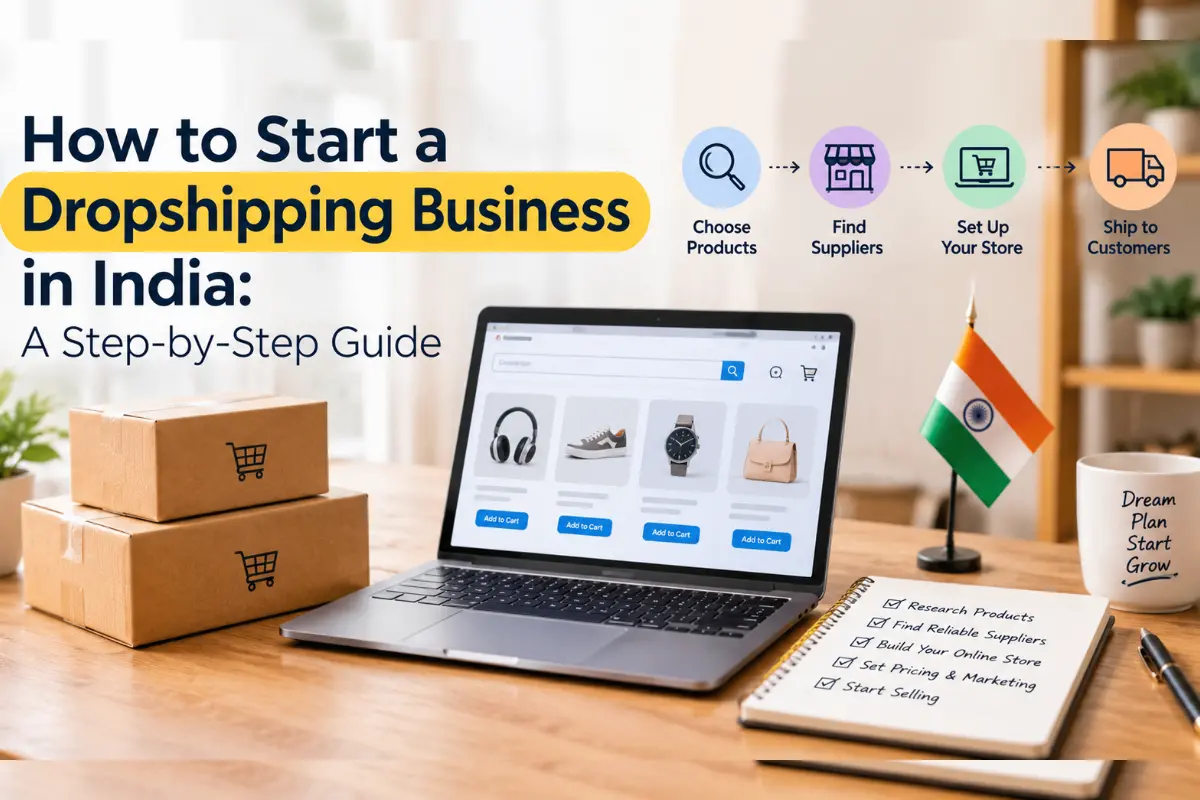
Dropshipping in India is an online selling model where you list products on your own store or marketplace without holding stock. When a customer orders, your supplier packs and ships directly to them. You keep the difference between your selling price and the supplier’s price. You handle marketing, customer service and payments.
The appeal is obvious: low upfront cost, no warehouse, easy testing of products. The catch is thin margins and less control over quality and delivery. I’d call it a good way to learn e-commerce, not a get-rich-quick plan.
Is Dropshipping Legal in India?
Yes. Dropshipping is legal in India, but you must follow compliance rules and platform policies. That means tax registration where required, honest product listings, clear return policies and compliance with consumer protection rules. shiprocket
If you import products from overseas suppliers, an Import Export Code may be required. Customs duties and long delivery times also apply, which is why many beginners source from Indian suppliers instead. bosswallah
Step 1: Pick a Niche You Can Defend
Avoid “everything stores.” Choose a focused niche: pet accessories, home organisers, fitness gear, phone accessories, regional handicrafts.
Check demand first. Browse bestsellers on Amazon, Flipkart and Meesho, search Google Trends, and read customer complaints in reviews. Those complaints are product opportunities. Avoid fragile items, sizing-heavy fashion and anything with strict regulations like cosmetics or electronics needing certification. [link to low investment business ideas guide here]
Step 2: Find Reliable Suppliers
Supplier quality decides your reputation. Customers blame you, not them.
Options include Indian wholesale platforms, domestic dropshipping suppliers and apps. One guide lists DSers for AliExpress, Spocket and Zendrop as apps often integrated with Shopify. Print-on-demand services like Qikink suit custom T-shirts and mugs. bosswallah
Before committing, order samples yourself. Check packaging, delivery time and return handling. Ask about stock updates and who pays for returns. A supplier who answers messages slowly now will fail you at festival time.
Step 3: Register Your Business and Handle GST
Start with a proper business setup, a current account and Udyam registration. [link to Udyam registration guide here]
GST is where beginners get confused. Some sources say you need it only above ₹40 lakh turnover for goods, but others say selling through e-commerce platforms often requires registration regardless. There’s conditional relief for certain small sellers under Notification No. 34/2023–Central Tax, but it has conditions, such as no inter-state supply and operating in one state only. enkash
Marketplaces like Amazon, Flipkart and Meesho commonly ask for a GSTIN before onboarding. Talk to a CA before launching, since this decides your pricing and paperwork. [link to bookkeeping for small business guide here]
Step 4: Set Up Your Store
You can sell through your own website (Shopify, WooCommerce) or marketplaces where allowed. Your own store gives you branding and customer data. Marketplaces give traffic, but with fees and rules.
Whichever you use, show delivery times, return policy, contact details and your business name clearly. Indian shoppers worry about trust, so add reviews, real photos and WhatsApp support. Offer UPI, cards and, carefully, cash on delivery.
Step 5: Understand COD and RTO Before You Scale
This is the part most YouTube videos skip.
Many Indian buyers prefer cash on delivery, which means higher return-to-origin risk. One report puts RTO for COD-heavy fashion and apparel stores at 21 to 32 per cent in FY2026. Each failed delivery costs you shipping both ways, plus the lost ad spend. qikink
Reduce it: confirm COD orders by WhatsApp or call, offer small discounts for prepaid orders, use clear addresses and pick couriers with good local coverage. Track RTO weekly, not monthly.
Step 6: Do the Margin Maths
Here’s a hypothetical example. You sell a phone stand for ₹499. The supplier charges ₹250. Shipping is ₹60, payment gateway fees about ₹10 and packaging is included. That leaves roughly ₹179 gross.
Now subtract ad cost. If you spend ₹150 per sale on ads, profit shrinks to about ₹29. Add one returned order for every five, and you could be losing money. Always calculate your break-even cost per order before running ads.
Step 7: Market Smartly
Start small. Test two or three products with modest budgets on Instagram or Facebook, short videos and local creators. Use WhatsApp for abandoned carts and repeat offers, with customer consent.
Don’t fake reviews or exaggerate claims. Build a brand and repeat customers instead of living off ads alone. [link to digital marketing strategy guide here]
Common Problems and How to Handle Them
- Supplier delays: Keep a backup supplier for best-sellers.
- Wrong or damaged items: Document everything, refund quickly and escalate to the supplier.
- Chargebacks and complaints: Respond within a day.
- Stock-outs: Sync inventory daily if you can.
- Thin margins: Raise prices, bundle products or choose items with higher perceived value.
FAQs
Is dropshipping in India profitable?
It can be, but margins are thin and returns are common. Profit depends on supplier choice, pricing and ad efficiency.
How much money do I need to start?
Often ₹10,000 to ₹30,000 for a website, samples and test ads, though costs vary.
Do I need GST for dropshipping?
It depends on your turnover, where you sell and whether you use marketplaces. Check with a CA.
Can I dropship from AliExpress to India?
Yes, but delivery is slow, customs and import rules may apply and customers expect faster shipping.
What are the best products for dropshipping in India?
Lightweight, non-fragile, problem-solving items such as accessories, home gadgets and pet products.
Is dropshipping dead in 2026?
No, but competition is high. Niche focus and good service separate successful sellers from the rest.
Conclusion
Dropshipping in India is a low-cost way to start an online business, but only if you handle suppliers, GST, COD returns and margins carefully. Choose a narrow niche, order samples, register properly and track every rupee.
This week, shortlist one niche and order samples from two suppliers. Compare quality, delivery time and total cost per order. Then calculate your break-even ad cost. If the numbers work, build a simple store and test with a small budget. If they don’t, you’ve saved yourself ₹8,000 in ads.
Internal linking suggestions:
- [link to low investment business ideas guide here], in the niche section
- [link to Udyam registration guide here], in the registration section
- [link to digital marketing strategy guide here], in the marketing section
Image alt text suggestions:
- “Student in Jaipur packing an order for a dropshipping in India store”
- “Flowchart showing how dropshipping in India works from customer order to supplier delivery”
- “Margin calculation sheet for a dropshipping product with ad cost and shipping”